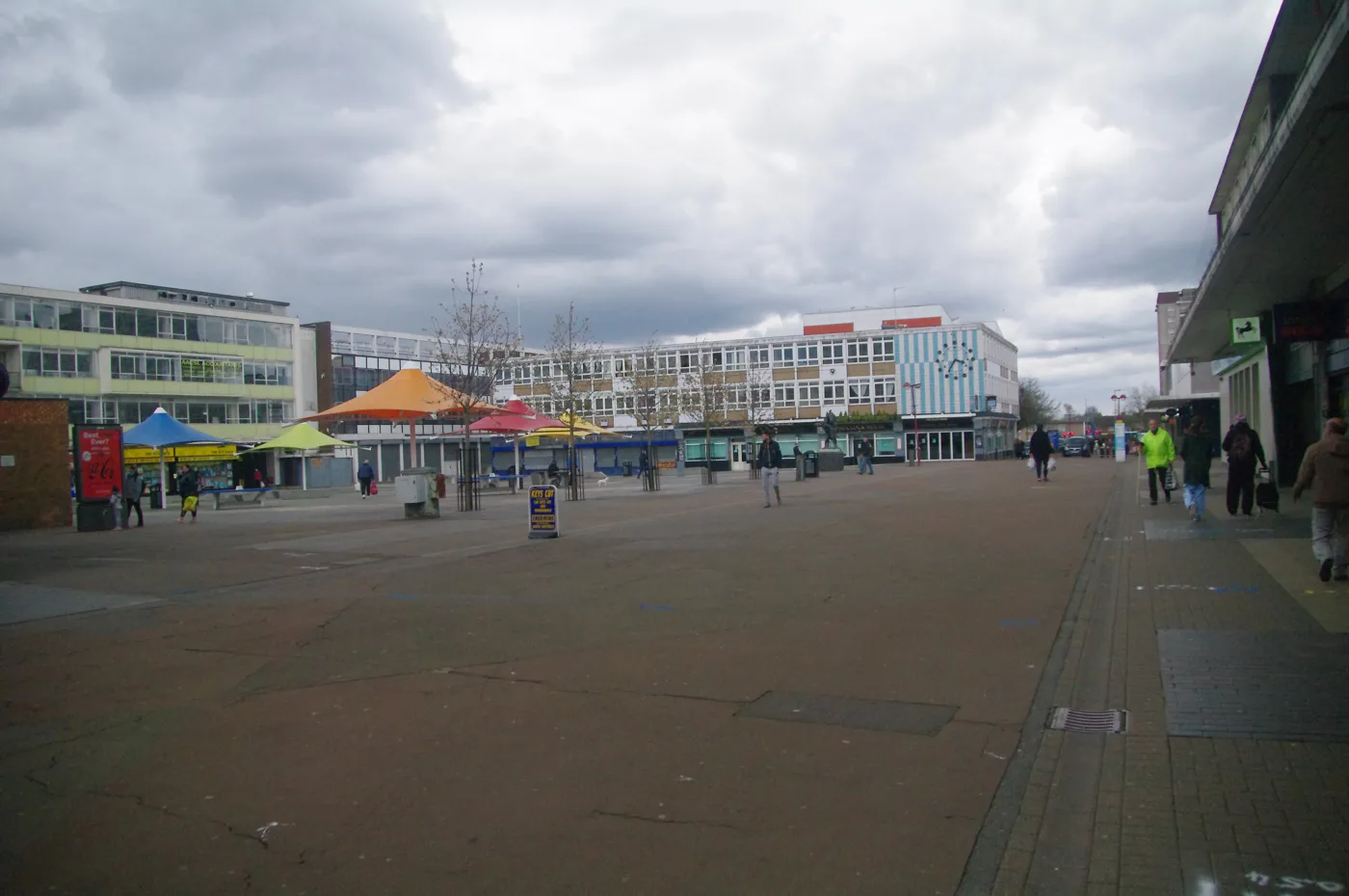

KPMG says it has not yet seen how Harlow Council approved a £5.6m loan behind the Adams House purchase. Its draft report goes to councillors on 25 November.
Harlow Council’s auditors say they have not yet been shown how the council approved a £5.6 million loan used to buy Adams House, the clock building on Market Square.
KPMG’s draft annual report on the council’s 2025/26 year goes to the Audit and Standards Committee on Wednesday 25 November. It says the auditors have not been given the Full Council decision, or any other signed approval, for the purchase. Their work on it is still going on, and they have reached no conclusion.
The report also keeps one “significant weakness” open from last year, in how the council manages risk. It flags two more areas still under review: Adams House and the capacity of the council’s finance team. (KPMG, Auditor’s Annual Report 2025/26, draft)
What the auditors say about Adams House
The council considered buying Adams House in December 2024, as part of its plans for Market Square. KPMG says the original business case included a formal valuation and outside financial modelling of the cost and the expected returns. Cabinet recommended that Full Council approve the budget and let senior officers and the Leader finalise the financing.
The purchase was completed on 21 March 2025. The report says the money then came a different way from the one in the business case:
- the business case expected outside institutional finance
- instead, the council lent its own company, Market Square (Harlow) LLP, a loan facility of £5.608 million at 5%
- the company used it to take a lease on the building
Market Square (Harlow) LLP is wholly owned by the council. KPMG says it has not been given:
- the Full Council decision, or other delegated approval, for the purchase
- an updated business case or affordability check for the new financing
- enough evidence of how the £5.6 million council loan was approved, or why it was used
The building was first counted as an investment property in the 2024/25 accounts. It has now been restated as a lease. KPMG says it will look at the business case, the approvals, and the effect on the council’s borrowing and its oversight of the company. “No conclusion has yet been reached” on whether this is a significant weakness, it says.
In August the council agreed to lease the ground floor of Adams House for a food and drink venue, and this month it hired architects for the wider square.
The finance team: audit “has not really progressed” since August
The council published its draft 2025/26 accounts on time, which KPMG welcomes. But the auditors say they met “significant delays” in getting answers and evidence for most of their work. The report says there is “significant reliance on key individuals”, including the council’s deputy chief finance officer, and that staff absences cut what the rest of the team could do.
“The audit process for 2025/26 has not really progressed between August 2026 and the date of this report,” KPMG writes. It says this shows capacity “remains an issue”, and that there are still vacancies in the team. It also notes the council has created and filled new posts and brought in extra help in recent months.
KPMG says its audits of the two previous years could not get far enough, for the same capacity reasons, to test the accounts in detail.
The council’s own cover report says “a number of audit queries have taken time to respond to, but good progress is now being made”. It says extra staff have been brought into the finance team. There is “a risk” the council will not get an audit opinion by the legal deadline of 31 January 2027, it says, but it expects that date to be met. (Harlow Council, External Auditor’s progress report)
Risk management: improved, not yet fixed
KPMG first found in 2023/24 that the council had no risk registers for its individual services, below the main strategic register. During 2025/26 the council brought in a new risk framework, ran training and rolled out service registers.
The auditors say this was not fully working across all services by 31 March 2026, so the weakness stays open. Their one new recommendation is that the council keeps embedding it, with regular review and escalation.
What the report says is going well
- No significant weakness in financial sustainability. The council reported a General Fund surplus of £39,000 for 2025/26, and its General Fund balance was £4.008 million, above its £2.5 million minimum.
- Usable reserves were £70.17 million at 31 March 2026, down from £81.81 million a year earlier.
- Council housing fire safety: outstanding fire risk assessment actions fell from 12,916 in March 2025 to 4,396 in March 2026. We reported the latest monthly figures this month.
- No significant weakness in efficiency, including the council’s partnership with the Hill Group on housing and town centre schemes.
KPMG has issued no public interest report and made no statutory recommendations. All the figures in its report are from accounts that have not yet been audited.
What it means for you
The report makes no finding that anything was done wrongly over Adams House. It says KPMG has not yet seen the evidence it needs. The report is a draft, and KPMG says its findings may change before the audit ends.
The Audit and Standards Committee meets at 7pm on Wednesday 25 November at the Civic Centre. The meeting is open to the public and webcast, and the agenda also includes an item on how the council manages debt.
Have your say