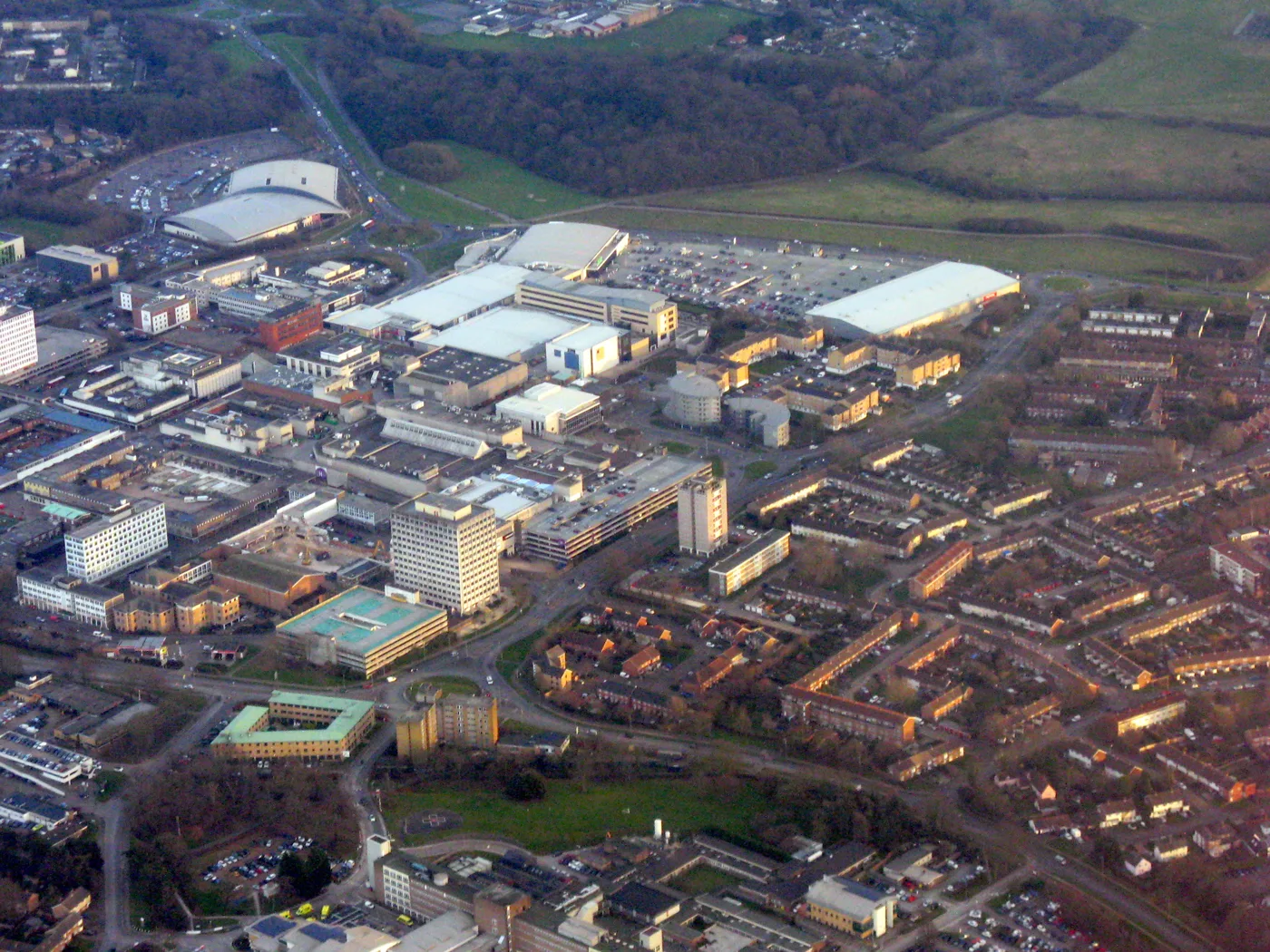

Harlow Council had 366 households in temporary accommodation on 30 June, with 474 children. That is the highest rate of any Essex council that reported.
Harlow Council was housing 366 homeless households in temporary accommodation on 30 June 2026, and 474 children were living in them. The figures were published by the government on Thursday.
That works out at 9.4 households in every 1,000 in the district. No other Essex council that sent in figures had a higher rate. Across the rest of England outside London, the rate was 2.9.
The numbers come from the Ministry of Housing, Communities and Local Government’s statutory homelessness statistics for April to June 2026, built from each council’s own quarterly return. The district figures are in the detailed local authority tables (table TA1).
What the figures show
On 30 June, Harlow had:
- 366 households in temporary accommodation, down from 384 on 31 March
- 254 households with children, down from 261
- 474 children in those households, down from 492
- 11 households in bed and breakfast, none of them with children, down from 24 in March, two of which had children
A year earlier, on 30 June 2025, the council had 380 households in temporary accommodation, with 458 children. So the number of households has fallen by 14 in a year, while the number of children has risen by 16. (MHCLG, detailed local authority tables, April to June 2025)
Who is in it
Most of the households are families. Of the 254 with children, 178 are a single adult with children, and 154 of those adults are women. The other 112 households have no children; 58 of them are single men. (table TA2)
Where they are housed
| Type of accommodation | Households | With children |
|---|---|---|
| Council or housing association homes | 189 | 120 |
| Other, including private landlords | 123 | 103 |
| Nightly paid, self-contained | 32 | 24 |
| Private homes leased by the council | 11 | 7 |
| Bed and breakfast | 11 | 0 |
| Hostels | 0 | 0 |
| Total | 366 | 254 |
Source: MHCLG, detailed local authority tables, April to June 2026, table TA1.
How long people wait
The tables also record how long each household has been in its current accommodation. In Harlow, 161 of the 366 households had been there for two years or more on 30 June. Of those, 44 had been there for five years or more.
The longest waits are in the “other” category, which includes private landlords. There, 90 of 123 households had been in place for at least two years, and the median stay was 1,019 days. (tables TA4 and TA7)
How Harlow compares
| Council | Households in temporary accommodation | Per 1,000 households |
|---|---|---|
| Bedford | 926 | 11.5 |
| Luton | 884 | 10.7 |
| Harlow | 366 | 9.4 |
| Thurrock | 600 | 8.7 |
| Chelmsford | 598 | 7.6 |
| Colchester | 517 | 6.1 |
| Southend-on-Sea | 461 | 5.7 |
| Uttlesford | 48 | 1.2 |
| East of England | 9,370 | 3.4 |
| England | 136,280 | 5.5 |
Source: MHCLG, detailed local authority tables, April to June 2026, table TA1, 30 June 2026.
Harlow’s rate is the third highest of the 42 East of England councils that reported, behind Bedford and Luton. Out of 252 councils outside London with figures, it is tenth. Basildon and Epping Forest sent no temporary accommodation figures for the quarter, so they are missing from the comparison.
The rate uses the government’s estimate of the number of households in each district, which rose for Harlow between the two releases. That is why the count is the fairer way to compare this June with last June.
What the council has promised
On 3 November the council adopted a new homelessness and rough sleeping action plan. It includes a commitment to no families in bed and breakfast, other than for short emergency stays. On 30 June none of the 11 households in Harlow’s B&Bs had children. Our report on the rough sleeping figures covers the rest of the plan.
What it means for you
- If you might lose your home in the next 56 days, contact the council now. It has a legal duty to help eligible households try to stay in their home, and the earlier it knows, the more it can do. Its online homelessness assessment is on the help if you are homeless page.
- If you have nowhere to stay tonight, call Harlow Council on 01279 446655.
- In April to June, the council carried out 114 initial homelessness assessments. It found 55 households threatened with homelessness within 56 days and 53 already homeless. (table A1)
The figures for July to September 2026 are due in the government’s next quarterly release.
Sources
- MHCLG, Statutory homelessness in England: April to June 2026, published 26 November 2026.
- MHCLG, detailed local authority tables, April to June 2026, tables A1, TA1, TA2, TA4 and TA7.
- MHCLG, detailed local authority tables, January to March 2026 (revised), table TA1, for the 31 March figures.
- MHCLG, detailed local authority tables, April to June 2025 (revised), table TA1, for the June 2025 figures.
- Harlow Council, help if you are homeless.
Have your say